Best Things to Do:
Haute Couture
by Rodrigo Lavalle
The Haute Couture shows conclude here today in Paris. Unlike its 'poorer' counterpart (the prêt-à-porter), haute couture is only showcased in Paris. In January, the spring/summer collections are presented, and in July, the autumn/winter collections are shown.
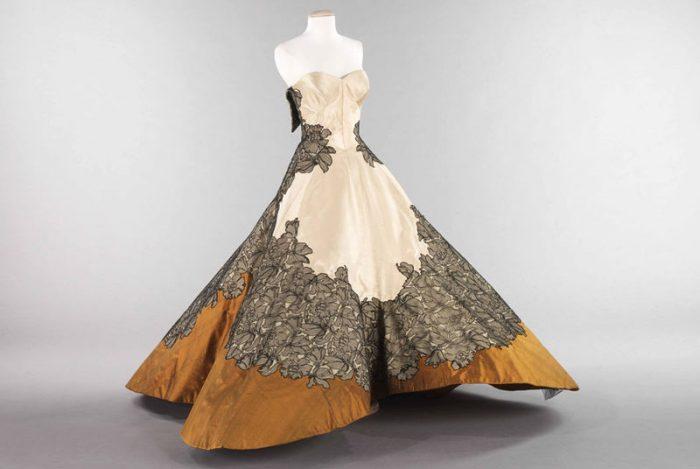
Haute couture (haute couture) was "invented" in the second half of the 19th century by the English couturier settled in Paris, Charles Frederick Worth. As stated in the official text of the exhibition Paris Haute Couture that took place at the Hôtel de Ville in 2013, 'this profession is particularly Parisian as it reflects the lifestyle of the wealthy society of the time of its creation'. Almost a century later, at the end of World War II, it was the French who created the strict rules and criteria that define which maisons can be called haute couture: the garments must be made to measure and exclusively for the client; the work must be done by hand in the ateliers of the maison; each maison must have at least 20 employees and two ateliers (one for fabrics and flowing pieces and another for tailoring); each collection must have at least 30 looks, etc...
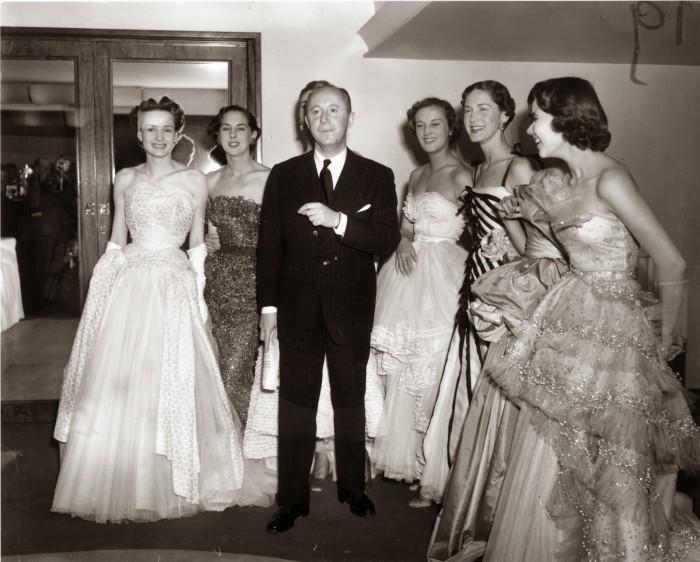
During this same period and until the end of the 1960s, haute couture reached its peak in both the number of maisons and influence. They dictated all fashion trends. What was in and what was out. After collections were launched and wealthy clients placed their orders, the patterns and designs were sold to clothing manufacturers (mostly American). They produced cheaper, lower-quality copies that were sold in large department stores. Subsequently, neighborhood tailors copied these models for their clients. And thus the fashion chain works. Very similar to what fashion editor Miranda Priestley teaches her somewhat unsophisticated assistant Andrea Sachs in the film "The Devil Wears Prada."
With the youth movements of the late 1960s and the invention of prêt-à-porter, haute couture began to lose its importance and relevance and became viewed as "something for old rich ladies." Starting in the 1970s, the number of haute couture maisons began to decline considerably. By the late 1990s, to better adapt to modern times and allow for new members, those strict rules were reformulated. This coincidentally happened when the old maisons began to be bought by large luxury conglomerates (like LVMH) with the intention of revitalizing them and making them profitable.
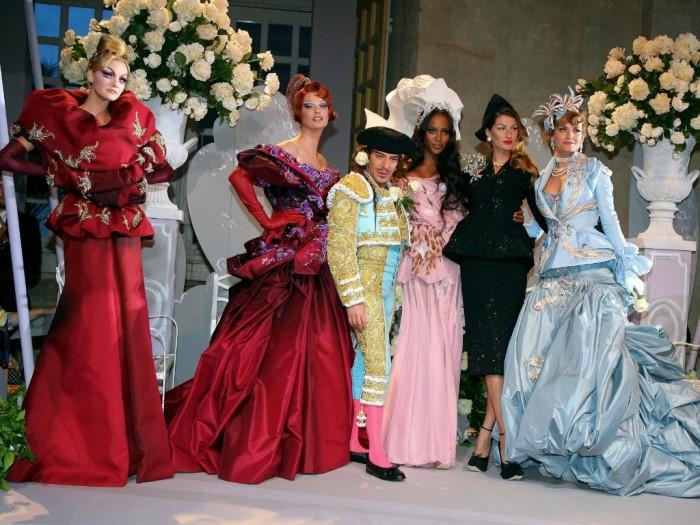
Until about five years ago (when John Galliano was fired from Dior), haute couture had regained importance and business volume. More importantly, it had become a major media spectacle - a true circus, in fact. Everything was extremely grand and extravagant. Despite having only around 200 clients worldwide, who pay between 15,000 to 100,000 euros for a dress, haute couture creates a whole universe of dreams, desires, and aspirations that reflects in the sale of cheaper items such as handbags, shoes, perfumes, and lipsticks. Items that all of us, salaried workers, can buy.
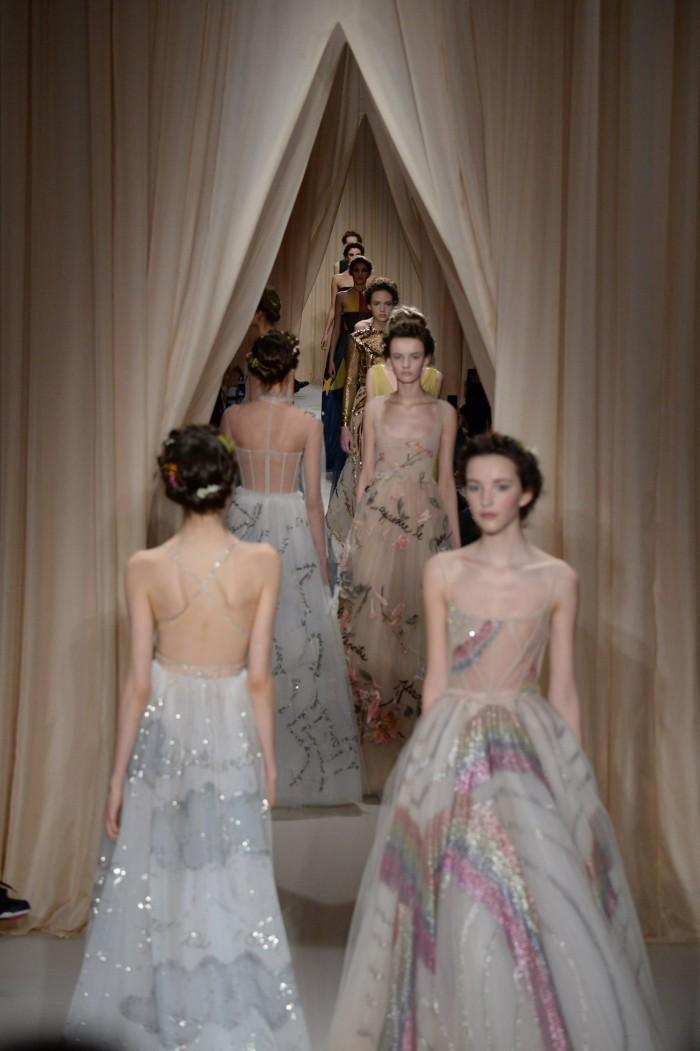
After Galliano's fall and his replacement by the minimalist-conceptual Raf Simons, haute couture has been trying to return to what it was at the beginning: beautiful, elegant, and well-made clothes. Two of the most beautiful collections of the season that ends today were from Armani Privé and Valentino: delicate, subtle, and timeless.